
Building a Supportive, Active Board: Practical Guidance
This short article summarizes practical actions nonprofit leaders and trustees can take to strengthen board engagement and effectiveness.
This short article summarizes practical actions nonprofit leaders and trustees can take to strengthen board engagement and effectiveness.

The nonprofit sector is entering 2026 facing its most challenging financial environment in a decade. If you’re a nonprofit executive director, board member, or financial officer feeling the squeeze, you’re not alone. Recent data reveals that 36% of nonprofits ended 2024 with operating deficits—the highest rate in ten years. Meanwhile, 84% of organizations that receive government funding anticipate cuts in the coming year, and 86% report that inflation continues to have a significant impact on their operations.
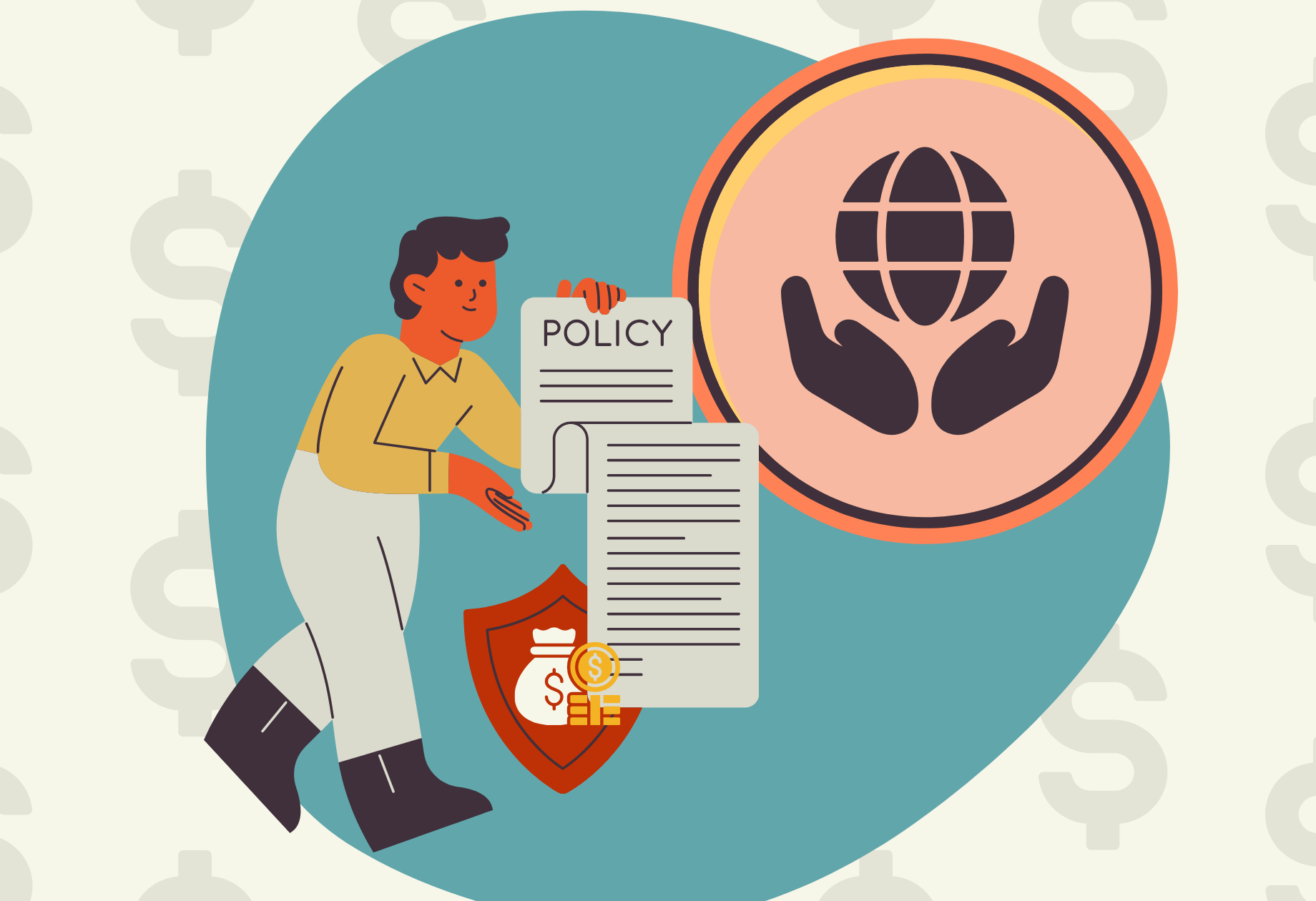
A well-structured cash reserve policy is an essential element of strong financial stewardship in the nonprofit sector. Reserves give organizations the stability to weather revenue fluctuations, address unforeseen expenses, and invest strategically in mission-driven initiatives. Developing a clear, board-approved policy ensures consistency, transparency, and accountability in how reserves are built and used.

The nonprofit sector is entering 2026 facing its most challenging financial environment in a decade. If you're a nonprofit executive director, board member, or financial officer feeling the squeeze, you're not alone. Recent data reveals that 36% of nonprofits ended 2024 with operating deficits—the highest rate in ten years. Meanwhile, 84% of organizations that receive government funding anticipate cuts in the coming year, and 86% report that inflation continues to have a significant impact on their operations.

In the competitive landscape of nonprofit funding, where resources are scarce and donor expectations are high, effectively evaluating nonprofit program success is essential for sustainability and growth. According to recent surveys, approximately 70% of nonprofits struggle to demonstrate measurable impact, often because they select inappropriate evaluation approaches that fail to capture the full picture of program performance. This article explores nonprofit program evaluation methods, focusing on three key frameworks — goal-based, process-based, and outcomes-based — to help organizations choose the right tools for assessing new initiatives.

Endowments are a cornerstone for nonprofit financial sustainability, providing a permanent funding source that enables organizations to support their mission for generations. Yet, nonprofit endowment fund accounting is daunting, with complex compliance requirements and evolving standards such as UPMIFA (Uniform Prudent Management of Institutional Funds Act) and ASC 958. For nonprofits and their boards, proper endowment management entails more than maintaining spreadsheets — it involves building stakeholder trust and ensuring the organization’s long-term future. In this guide, Temple Management CPA shares everything you need to know about accounting, compliance, and reporting for nonprofit endowment funds.

In the rapidly evolving nonprofit landscape of 2025, not-for-profit organizations (NFPs) are more essential than ever. They fight for causes, fill social gaps, and drive meaningful change. But organizational impact and survival don’t occur by accident. Today’s NFPs are under greater scrutiny, face complex financial realities, and must contend with both internal and external challenges—from shifting regulations to donor expectations and digital transformation. At the core of an NFP’s success lies sound governance and strong, ethical leadership.

End-to-end encryption for sensitive financial discussions provides essential protection for confidential organizational communications. Approved collaboration tools that meet nonprofit security standards help ensure that all organizational communications maintain appropriate levels of protection while enabling effective teamwork and coordination.

AI revolutionizes nonprofit finances by automating tasks, enhancing analysis, detecting fraud, optimizing costs, and empowering informed decision-making for social impact.

Organizations face unprecedented challenges and opportunities in the ever-evolving landscape of nonprofit fundraising. The post-pandemic era has accelerated the shift toward digital fundraising, but traditional methods remain essential for building strong donor relationships and securing significant gifts. As nonprofits navigate this complex environment, it's crucial to strike a balance between digital and traditional fundraising strategies to ensure long-term sustainability.